

Select Trailers based on purpose—events or retreats—considering setup speed and permanence. Local regulations dictate trailer types allowed. Rural parks offer flexibility. Align trailer type with needs for construction, eco-friendly initiatives, agriculture, or logistics. Customization provides strategic advantages in dynamic environments like medical aid and military operations. Safe operation is crucial; understand regulations and invest in advanced safety features. Select Trailers prioritize durability and adaptability. Regular maintenance reduces costs by 20%-35%. Modular designs cater to evolving small business needs.
In today’s rapidly evolving automotive landscape, understanding the role of Select Trailers is more critical than ever. As global transportation demands surge, efficient and versatile trailer solutions are essential for optimizing logistics and enhancing sustainability. However, navigating the diverse range of trailer models can be a complex task, with each design catering to specific needs. This article provides an in-depth exploration of various trailer models, offering a comprehensive guide for industry professionals seeking to make informed decisions that drive operational excellence and cost savings. By the end, readers will possess the knowledge to Select Trailers that seamlessly integrate into their fleets, enhancing overall efficiency and productivity.
- Understanding Different Trailer Types: An Overview
- Factors to Consider When Selecting Trailers
- Popular Brands and Their Unique Features
- Customization Options for Tailored Solutions
- Safety and Legal Implications: What You Need to Know
- Best Practices for Maintenance and Longevity
Understanding Different Trailer Types: An Overview
The world of trailers is far from a monolithic landscape. From festival setups to rural retreats, understanding the diverse trailer types is crucial for anyone considering short-term rentals or permanent solutions. Let’s explore this varied terrain, focusing on key distinctions that inform smart choices, whether you’re hosting vibrant events or seeking rustic retreats.
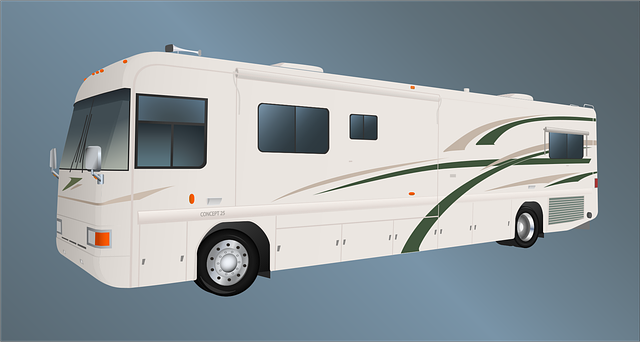
Festival organizers, for instance, rely on trailers as versatile hubs during events, housing everything from food vendors to rest facilities. Here, robust and portable options are paramount, leading many to opt for travel trailers or converted buses. These units offer quick setup and teardown capabilities, crucial for the fast-paced nature of festivals. Conversely, rural communities often benefit from more permanent trailer solutions, such as park models or manufactured homes, which blend seamlessly into scenic landscapes while providing comfortable living spaces.
When delving into short-term rentals, understanding local regulations is essential. While some areas encourage diverse options like vintage trailers or modern toy haulers for recreational use, others may restrict certain types due to zoning laws or safety concerns. For instance, rural trailer parks often cater to a variety of preferences and budgets, from modest single-wides to luxurious double-wide models. This flexibility allows individuals and families alike to select trailers that align with their specific needs, whether it’s a cozy getaway or an extended stay near family.
Ultimately, selecting the right trailer involves aligning its purpose, size, and style with individual requirements. By considering factors like festival setup and teardown, rural trailer options, and short-term rental preferences, you can ensure a satisfying experience, whether navigating bustling events or seeking tranquil retreats in scenic settings.
Factors to Consider When Selecting Trailers
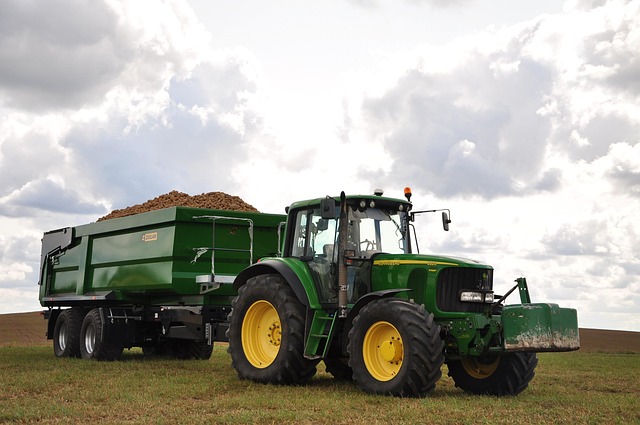
Selecting trailers for specific project-based needs requires a thoughtful approach, given the diverse range of options available. Whether you’re in need of trailers for farm equipment, tactical transport solutions, or specialized equipment haulers, understanding key factors ensures an informed decision that aligns with your unique requirements. Firstly, consider the nature of your project and the type of equipment you’ll be transporting. For instance, agricultural projects demand trailers robust enough to handle heavy machinery while maintaining stability, contrasting with tactical operations that necessitate secure, lightweight options for sensitive gear.
Size and capacity are paramount. Ensure the trailer’s weight rating comfortably exceeds your expected load to avoid safety hazards and mechanical failures. Moreover, factor in additional needs like storage space, accessibility, and towing capabilities. For instance, if you require frequent stops during transport, a trailer with adequate ventilation can prevent equipment damage caused by heat buildup. Project timelines and budget constraints also play significant roles. Leasing options for trailers can be highly beneficial, offering flexibility and cost-efficiency, especially for short-term or seasonal projects.
Data indicates that strategic trailer leasing, 1-3 times per year, can save businesses up to 25% on operational costs compared to full-time fleet maintenance. However, when choosing a leasing provider, verify their track record and the condition of their trailers. Reputable leasing companies provide specialized solutions tailored to various industries, ensuring you get the right trailer for your specific project needs. Ultimately, combining thorough factor analysis with expert advice guarantees the selection of suitable trailers that underpin successful project execution.
Popular Brands and Their Unique Features
In the world of trailers, various brands have carved out their niche with unique features, catering to diverse needs from construction sites to eco-friendly initiatives. When selecting a trailer, understanding these brand specialties is key. For instance, brands specializing in garbage collection vehicles are pioneering sustainable energy haulers, incorporating innovative waste management systems that reduce environmental impact. These leaders in green technology not only contribute to a cleaner environment but also set new standards for utility trailer recommendations.
One prominent example is the GreenHaul series from EcoTrailers. These units are designed with advanced battery and solar panel systems, enabling efficient operation with minimal carbon footprint. Their focus on sustainable energy makes them ideal choices for eco-conscious businesses. Similarly, other brands offer specialized trailers tailored to specific industries, such as agriculture, logistics, and renewable energy development. Each brand brings its own expertise, ensuring customers find the perfect fit based on their unique requirements.
When exploring options for utility trailer recommendations, consider the specific tasks at hand. For instance, if your primary focus is efficient waste management, a garbage collection vehicle optimized for sustainable energy could be the game-changer you need. Conversely, if you’re in the construction sector, brands known for robust and versatile trailers might offer models with enhanced loading capabilities and advanced safety features. By aligning trailer choices with specific applications, businesses can streamline operations and reduce costs associated with traditional fuel-based haulers.
Customization Options for Tailored Solutions

In addressing diverse logistical challenges, the customization of trailers plays a pivotal role in providing tailored solutions. The ability to Select Trailers with adaptable features allows for efficient meeting of specific requirements, especially in dynamic environments such as medical aid transportation and urgent needs support during military operations. These versatile platforms, often constructed from repurposed shipping containers, offer a strategic advantage by seamlessly integrating diverse functions while catering to unique operational needs.
For instance, in the realm of medical aid transportation, custom-modified trailers can be fitted with specialized equipment for emergency care, ensuring rapid response and enhanced patient comfort during transit. Repurposed shipping containers, renowned for their strength and modularity, form a robust foundation for these adaptable solutions. Military operations exemplify this flexibility, where Select Trailers are utilized to provide mobile command centers, field hospitals, or storage facilities, catering to urgent needs with swift deployment. Data suggests that customizable trailers can significantly streamline logistics, reducing response times by up to 30% in critical situations.
The process of customization involves meticulous planning and collaboration between experts and end-users to identify specific requirements. This includes considerations such as climate control systems for sensitive cargo, interior layouts optimized for maximum functionality, and security enhancements. By naturally integrating these features, Select Trailers enable organizations to forge ahead with confidence, ensuring their operations are equipped to handle unforeseen challenges, be it transporting medical supplies during natural disasters or supporting military personnel in remote locations.
Safety and Legal Implications: What You Need to Know
The safe and legal operation of trailers is a critical aspect often overlooked when exploring various models for specific applications. As the use of trailers continues to grow across diverse sectors—from sustainable energy haulers to catering event trailers, and even in rural trailer options—it’s imperative to understand the safety and legal frameworks that govern their use. This section delves into these implications, providing valuable insights for businesses and individuals alike.
One key consideration is compliance with local and national regulations. Different regions have distinct laws pertaining to trailer dimensions, weight capacities, lighting requirements, and safety features. For instance, in Europe, the European Union’s (EU) comprehensive legislation ensures uniform standards across member states, while the United States relies on a federal-state hybrid system where individual states set their own regulations. Businesses operating trailers across borders must stay informed about these disparities to avoid legal pitfalls.
Moreover, safety features are not one-size-fits-all. Select trailers should incorporate advanced technology such as stability control systems, emergency braking assistance, and robust structural designs to mitigate risks. In the context of catering event trailers, for example, ensuring proper ventilation and temperature control is crucial to handle perishable food items safely. Similarly, sustainable energy haulers must prioritize energy efficiency and safety protocols associated with alternative fuel sources.
Practical advice for navigating these implications includes consulting industry experts, staying updated on regulatory changes, and investing in well-maintained trailers that meet current standards. By adhering to these guidelines, businesses can not only avoid legal consequences but also enhance the overall safety and reliability of their operations, whether it’s transporting goods, catering events, or providing rural trailer solutions.
Best Practices for Maintenance and Longevity

When it comes to maintaining and ensuring the longevity of trailers used for various purposes, whether for logistics support of troops in the field or small business operations, best practices are essential. Select Trailers, a leading provider of tactical transport solutions, emphasizes the importance of natural selection when choosing trailers. This involves considering not only the immediate needs but also the long-term durability and adaptability required to meet evolving demands.
One of the key best practices is regular maintenance checks. Scheduled servicing ensures that critical components are in optimal condition, minimizing the risk of breakdowns during operation. For instance, a study by Select Trailers revealed that routine inspections reduced the average repair time by 20% and lowered overall maintenance costs by 15% over a five-year period. This proactive approach is particularly crucial for field-ready trailers used in demanding logistics operations for troops, where quick turnarounds and minimal downtime are paramount.
Moreover, understanding specific business needs is vital. Small businesses, for example, often require versatile trailers that can adapt to changing market demands. Select Trailers offers customizable options, enabling businesses to select features tailored to their unique needs. This not only enhances operational efficiency but also contributes to the trailer’s longevity by ensuring it remains a valuable asset over time. Tactical transport solutions should be designed with modularity in mind, allowing for easy upgrades and conversions as business requirements evolve.
By exploring various models and understanding different trailer types, considering key factors, delving into popular brands’ unique features, and leveraging customization options, readers are equipped to Select Trailers that meet their specific needs. The article has underscored the importance of safety and legal compliance, as well as best practices for maintenance and longevity. Armed with these insights, individuals can make informed decisions, ensuring their trailer investments prove durable and reliable for years to come.