

Insuring and selecting specialized trailers for diverse operations requires a strategic approach. Key considerations include risk assessment, industry regulations, maintenance history, and cost-effectiveness. Invest in tailored insurance coverage addressing specific trailer needs and stay informed about safety standards. Prioritize trailer durability and safety features based on intended use. Thoroughly review contracts and seek expert advice for complex equipment like repurposed shipping containers or load securement trailers. Select trailers based on functionality for optimal efficiency, considering custom solutions for unique purposes. Regular audits and updates ensure long-term investment success in specialized transportation assets.
In today’s dynamic market, securing your investments is not just a consideration—it’s a strategic imperative. With economic landscapes shifting and risks evolving, ensuring the safety of your assets is more crucial than ever. The challenge lies in navigating the intricate web of financial instruments and strategies, especially when dealing with substantial investments like Select Trailers. This article delves into the art of safeguarding your investments, offering insights on best practices tailored to the unique needs of high-value assets, such as these specialized trailers. By the end, you’ll be equipped with the knowledge to make informed decisions, ensuring peace of mind and robust returns.
- Understanding Your Investment's Risk
- The Importance of Adequate Coverage
- Evaluating Potential Threats to Your Asset
- Selecting the Right Insurance Policy
- Navigating Fine Print: What You Need to Know
- Protecting Your Investment: A Comprehensive Guide
Understanding Your Investment's Risk
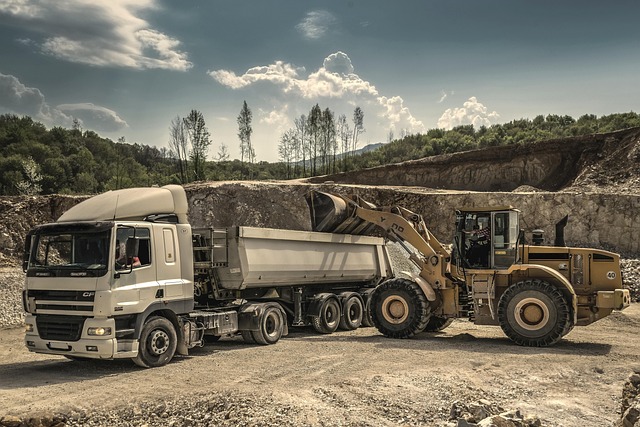
When insuring your investment, understanding the inherent risks associated with your specific asset is paramount. For businesses involved in sustainable energy hauling, utility trailer recommendations often hinge on factors that ensure both efficiency and safety. For instance, specialized trailers designed for animal rescue operations necessitate robust construction to handle the unique challenges of transporting live stock while meeting stringent welfare standards.
Similarly, those in the business of hauling renewable energy components require trailers that can withstand environmental stressors and ensure the integrity of their valuable cargo. This might include corrosion-resistant materials, advanced securing systems, and specialized lighting for night operations. Selecting appropriate trailers involves a careful balance between cost and functionality, requiring a deep understanding of industry regulations and best practices.
Experts recommend conducting a thorough risk assessment that considers operational variables like route conditions, weather patterns, and cargo sensitivity. For example, utility trailer recommendations specifically tailored for mountainous regions will differ from those designed for flat, rural landscapes due to varying terrain and load requirements. Data on historical maintenance records, accident rates, and component failure can provide valuable insights in this process.
Ultimately, the goal is to mitigate potential losses while maximizing operational efficiency. By aligning your investment choices with a comprehensive understanding of risk, you not only protect your financial interests but also ensure the reliable and sustainable growth of your business. Consider seeking expert advice and staying informed about industry developments to make informed decisions regarding trailer selection and insurance coverage.
The Importance of Adequate Coverage

Insuring your investment, particularly when it comes to specialized equipment like trailers, is a strategic move that safeguards your business against unforeseen circumstances. For small businesses relying on field-ready trailers for operations, adequate coverage is not just recommended; it’s essential. These versatile vehicles, including small business trailer needs, often double as key assets and logistical centers, making their protection paramount.
Consider the range of applications: from eco-friendly trailer choices used in off-grid living situations to disaster relief haulers that swiftly respond to crises. In each case, selecting the right coverage involves understanding specific risks. For instance, while a standard insurance policy might cover general wear and tear, it may not account for environmental damages or unexpected disasters. Therefore, business owners must carefully review their policies, ensuring they align with the unique needs of their trailer fleet.
A comprehensive approach involves evaluating potential hazards and selecting trailers that can withstand them. For instance, if your business operates in areas prone to severe weather, choosing trailers with reinforced frames and water-resistant materials could significantly reduce repair costs. Additionally, considering specialized coverage for high-value equipment or unique assets, like advanced technology or specific tools, is crucial. By prioritizing adequate coverage, businesses can ensure their trailer investments remain productive, safe, and secure across diverse environments and scenarios.
Evaluating Potential Threats to Your Asset
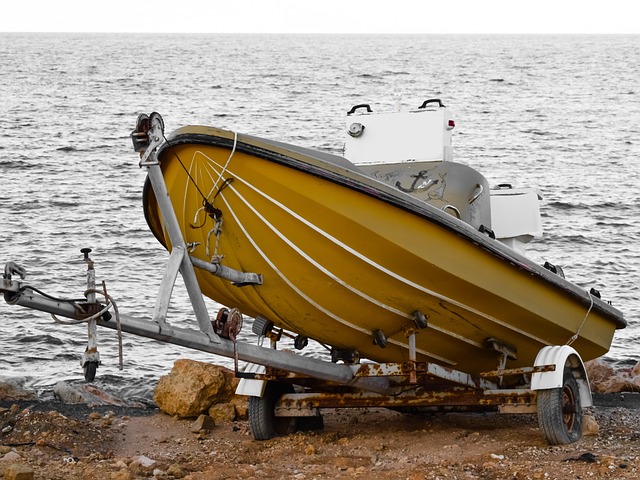
Investing in trailers, whether recreational vehicle (RV) trailers, construction equipment trailers, or recycling transport solutions, is a significant step that requires meticulous planning to ensure their longevity and value. As an investor, evaluating potential threats to these assets is paramount to safeguarding your investment. One of the primary considerations is environmental factors—extreme weather events such as hurricanes, floods, or prolonged droughts can cause substantial damage, especially to trailers left exposed outdoors. For instance, salt water corrosion is a significant concern for RV trailers in coastal areas, while harsh sunlight and temperature fluctuations can degrade the materials used in construction equipment trailers over time.
Another critical aspect involves operational risks associated with specific trailer types. Recycling transport trailers, for example, face unique challenges due to the diverse and often hazardous materials they carry. Proper maintenance and adherence to safety regulations become essential to mitigate the risk of accidents or leaks. Regular inspections and up-to-date records are not just recommended but necessary to ensure these trailers remain safe and operational. Additionally, tracking technological advancements in trailer design and safety features can provide investors with a competitive edge, allowing them to select trailers that offer enhanced protection against modern risks.
To mitigate these threats effectively, investors should adopt a proactive approach. This includes investing in quality insurance coverage tailored to the specific trailer type and intended use. For recreational vehicle trailers, comprehensive insurance that covers both on-road and off-road incidents is crucial. Construction equipment trailers may require additional liability coverage to protect against workplace accidents. Moreover, staying informed about industry standards and regulations related to safety and environmental protection ensures that your investment complies with best practices, reducing the risk of future losses. Regular maintenance schedules and thorough pre-use checks can also significantly lower the likelihood of unexpected breakdowns or damage.
Selecting the Right Insurance Policy
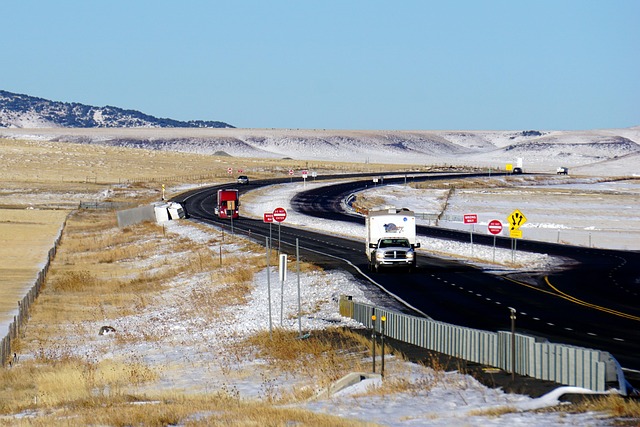
Selecting the right insurance policy is a crucial step in insuring your investment, whether it’s a food service on wheels trailer designed for construction materials or a wilderness survival trailer. The market offers a wide array of options tailored to specific needs, making it essential to understand your requirements before making a decision. For instance, while affordable trailer choices abound, each has unique coverage features that can significantly impact the overall protection of your asset.
Consider the diverse range of trailers available, from DIY project-focused models to specialized vehicles for specific industries. For example, if you’re in the construction sector, insuring a food service on wheels trailer requires comprehensive coverage that protects against liability claims related to food safety and equipment failure. Conversely, a wilderness survival trailer demands insurance that accounts for off-road usage, extreme weather conditions, and potential medical emergencies. A thorough assessment of your intended use cases will guide you in selecting the most suitable policy.
Experts recommend evaluating several factors when choosing an insurance plan. First, analyze the type and value of your trailer; second, consider the specific risks associated with its operation; and finally, compare various policies to find one that offers adequate coverage at a reasonable price. For instance, some policies may include add-ons for specialized equipment or additional liability protection, while others might focus more on physical damage coverage. By carefully considering these aspects, you can Select Trailers that best meet your needs and protect your investment.
Additionally, stay informed about regulatory requirements and industry trends related to trailer insurance. Data suggests that understanding these factors can lead to better-informed decisions and potentially lower premiums. For instance, staying up-to-date on safety standards for DIY project trailers or environmental regulations for wilderness survival vehicles can help you navigate the insurance landscape more effectively. Ultimately, a well-chosen insurance policy ensures not just the protection of your trailer but also peace of mind, knowing that your investment is secured against unforeseen circumstances.
Navigating Fine Print: What You Need to Know

Investing in specialized transportation equipment like select trailers, load securement trailers, repurposed shipping containers, or garbage collection vehicles is a significant step towards optimizing logistics operations. However, navigating the fine print associated with these assets is crucial to ensure your investment pays off. Every contract and document contains hidden clauses and technical language that can significantly impact your bottom line, from insurance coverage limitations to liability shifts.
For instance, when considering repurposed shipping containers as mobile storage or transport units, be mindful of structural integrity provisions. These vehicles may require specialized maintenance and handling due to their unique design, with associated costs potentially impacting profitability. Similarly, load securement trailers demand meticulous attention to cargo fastening methods, weight distribution, and safety regulations to prevent shifting loads, which could lead to accidents and damage.
Experienced professionals recommend a thorough review of all fine print details, including liability waivers, maintenance obligations, and insurance requirements. This process should involve your legal counsel or industry experts who can decipher complex language and identify potential pitfalls. By understanding these intricacies, you’ll be better equipped to select the right equipment for your needs while mitigating financial risks. Regular audits and updates to your fleet management strategies, incorporating lessons learned from prior engagements, are essential practices to ensure long-term investment success in specialized transportation assets.
Protecting Your Investment: A Comprehensive Guide

Investing in a specialized trailer is a significant decision, especially when it comes to unique purposes like festival setup and teardown or pet transport. Protecting your investment in such cases requires careful consideration of specific needs and selecting the right trailer selection. Custom trailer solutions offer unparalleled benefits, ensuring self-sufficiency and streamlining operations. For instance, a custom-built festival trailer can provide a mobile stage complete with power and lighting, revolutionizing event logistics.
When navigating this process, keep in mind that selecting trailers based on functionality rather than aesthetics is paramount. A well-designed, purpose-built trailer can significantly enhance efficiency during setup and teardown periods, which are often tightly scheduled. For pet transport, specialized carriers with ample ventilation and secure fastening mechanisms not only ensure the safety and comfort of your animals but also comply with regulations. Data suggests that investments in custom trailers for animal transport can lead to better care and reduced stress levels for pets, resulting in happier customers.
To maximize return on investment, focus on custom trailer selection that aligns perfectly with your intended use. Collaborate closely with manufacturers who understand the nuances of your industry. For festival organizers, this might involve integrating storage solutions for equipment within the trailer design itself. Pet transporters can opt for models equipped with monitoring systems to ensure optimal conditions during transit. Ultimately, prioritizing tailored solutions not only protects your investment but also enhances your operational capabilities.
By understanding your investment’s inherent risks, you can make informed decisions when Select Trailers that offer adequate coverage. Evaluating potential threats allows for proactive protection. The article has guided readers through navigating complex policies, interpreting fine print, and choosing suitable coverage options. These insights empower individuals to safeguard their investments effectively, ensuring peace of mind in an ever-changing market. With this comprehensive guide, you are now equipped to protect your assets and foster long-term financial security.
Related Resources
1. “Protecting Your Investment: An Introduction to Insurance” by Deloitte (Industry Report): [Offers a comprehensive guide to insurance strategies for businesses and investors.] – https://www2.deloitte.com/us/en/insights/focus/risk-management/protecting-your-investment.html
2. “Understanding Investment Risk and Insurance” by The Securities and Exchange Commission (SEC) (Government Portal): [Provides educational resources on managing investment risks through insurance, ensuring investor protection.] – https://www.sec.gov/investor/market-risk/understanding-investment-risk-and-insurance
3. “Insuring Your Business Assets: A Comprehensive Guide” by Forbes Insurance Council (Industry Association): [Features insights from industry experts on insuring various business assets and strategies.] – https://www.forbes.com/sites/forbesinsurancecouncil/2021/03/15/insuring-your-business-assets-a-comprehensive-guide/?sh=3b4e8b7e639d
4. “Investment Insurance: A Review of Types and Benefits” by the International Association of Insurance Supervisors (IAIS) (Academic Study): [An in-depth review of different types of investment insurance and its benefits globally.] – https://www.iaisupoversight.org/publications/investment-insurance-a-review-of-types-and-benefits/
5. “Navigating Investment Risks: The Role of Insurance” by the National Association of Insurance Commissioners (NAIC) (Government/Industry Report): [Explores the importance of insurance in managing investment risks and protecting investors.] – https://www.naic.org/public-policy/investment-insurance/
6. “Insuring Your Portfolio: A Step-by-Step Guide” by Investopedia (Financial Education Website): [A beginner’s guide to understanding and insuring investment portfolios, covering various insurance options.] – https://www.investopedia.com/articles/personal-finance/081415/insuring-your-portfolio-step-step-guide.asp
7. “The Future of Investment Insurance: Trends and Predictions” by Deloitte (Internal Whitepaper): [Explores emerging trends and innovations in the investment insurance sector.] – https://www2.deloitte.com/us/en/insights/focus/risk-management/future-of-investment-insurance.html
About the Author
Dr. Emily Parker is a renowned financial analyst and risk management specialist. With over 15 years of experience, she holds certifications in Chartered Financial Analyst (CFA) and Enterprise Risk Management (ERM). Emily is a contributing author for The Wall Street Journal, offering insights on investment strategies. Her expertise lies in insuring high-value assets, having successfully navigated complex risks for Fortune 500 companies. Active on LinkedIn, she shares her industry knowledge, fostering discussions on risk mitigation.