

Secure cargo transport necessitates a strategic approach, with Select Trailers naturally as a cornerstone. Key considerations include structural integrity, security features, and specialized adaptations for unique operational needs. Modern technology enhances safety through GPS tracking, real-time monitoring, and advanced locking systems. Best practices involve rigorous loading/unloading protocols, tailored equipment, and cost-effective leasing options. Select Trailers offers customizable solutions to fortify cargo protection, enhance efficiency, and meet diverse market demands.
In an era where global trade is more interconnected than ever, ensuring the secure transport of cargo has become a paramount concern for businesses and governments alike. The intricate logistics involved in moving goods across borders demand unwavering security to prevent theft, damage, and illicit activities. Among the various components of this complex system, trailer selection plays a pivotal role. This article delves into the critical factors and innovative solutions that underpin secure cargo transport, with a particular emphasis on how Select Trailers can naturally enhance safety and efficiency in today’s challenging environment.
- Understanding Secure Cargo Transport: Essential Considerations
- Choosing the Right Trailer: Factors for Safe Transport
- Implementing Security Measures: Protecting Goods in Transit
- Best Practices for Loading and Unloading Securely
- Advanced Tracking & Communication: Ensuring Responsiveness During Transport
Understanding Secure Cargo Transport: Essential Considerations
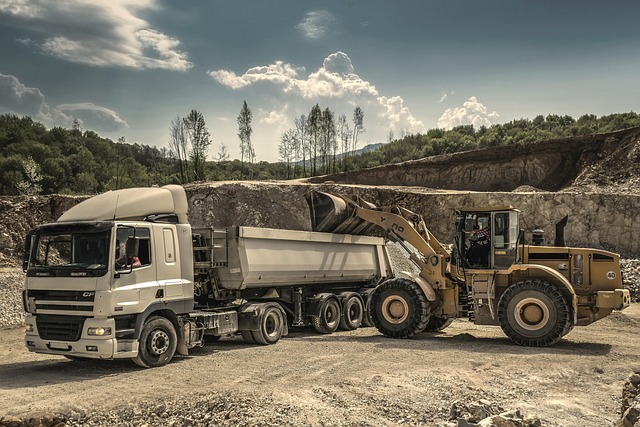
Secure cargo transport requires a comprehensive understanding of various essential considerations to ensure the safe and efficient movement of goods or animals. When it comes to specialized transport, such as pet relocation or animal rescue, the choice of trailer becomes pivotal. Selecting the right trailers is not merely about size; it entails finding self-sufficiency solutions that meet specific needs. For instance, heavy-duty trailers designed for pet transport should incorporate features like temperature control and ventilation, ensuring the well-being of animals during transit. These specialized haulers often double as animal rescue equipment, highlighting the need for robust construction and advanced safety systems.
One critical aspect to consider is trailers’ structural integrity, especially when lugging heavy loads. Heavy-duty trailers should be built with reinforced frames and axles capable of withstanding immense pressure without compromising stability. Additionally, implementing robust locking mechanisms and secure fastening systems prevents cargo shift during transit, minimizing the risk of damage or loss. For animal rescue operations, this translates to ensuring the trailer can accommodate emergency equipment and cages while maintaining a safe environment for stressed animals.
Moreover, trailers designed for specific purposes often come with innovative features enhancing overall efficiency. For instance, some self-sufficiency solutions incorporate solar panels for power generation, reducing reliance on external sources during extended trips. Integrating GPS tracking systems offers peace of mind by providing real-time location updates, which is invaluable in monitoring sensitive cargo or animals. These practical insights emphasize that secure cargo transport involves a blend of robust construction, specialized features, and innovative technology, ultimately dictating the choice of trailers for safe and reliable operations.
Choosing the Right Trailer: Factors for Safe Transport

Selecting the appropriate trailer is a critical yet often overlooked aspect of ensuring secure cargo transport. With various options available, understanding key factors is essential to safeguard goods during transit. This is particularly paramount when transporting sensitive or valuable items, such as in wilderness survival situations, disaster relief efforts, or specialized logistics operations. For instance, wilderness survival trailers require robust construction and off-road capabilities to navigate challenging terrains, while disaster relief haulers must be designed to withstand high-stress conditions and quickly deploy essential supplies.
Key considerations when selecting trailers include payload capacity, structural integrity, and security features. Trailers with heavier payload ratings ensure the safe transport of larger cargoes, a crucial factor for bulk goods or multiple smaller items. Structural strength is paramount to prevent damage from rough handling, excessive weight distribution, or environmental factors. This includes robust frames, well-designed axles, and reliable couplers. Security measures such as locked wheel wells, secure tie-down points, and protective coatings further safeguard cargo against theft or vandalism, which can be heightened risks during transport in remote areas or high-crime regions.
Furthermore, the specific needs of the operation should drive trailer selection. Load securement trailers, for example, are designed with specialized features like sliding walls, adjustable tie-down systems, and internal dividers to accommodate diverse cargo configurations. This ensures items remain secured during transit, reducing the risk of shifting loads that can cause damage or instability. Customization options and additional features, such as refrigeration units or specialized lighting, should be considered based on the nature of the goods being transported, further enhancing the overall security and viability of the chosen trailer.
Implementing Security Measures: Protecting Goods in Transit

Secure cargo transport requires robust security measures to protect goods in transit, addressing vulnerabilities at every stage. In an industry where time is money, minimizing risks is paramount. One crucial aspect often overlooked is the strategic selection of trailers, which can significantly enhance overall security. For instance, self-sufficiency solutions like specialized trailers designed for pet transport offer not just comfort but also integrated security features such as lockable pet carriers and GPS tracking. Similarly, military operations urgently require support trailers that can withstand harsh conditions and accommodate sensitive equipment while ensuring the safety of personnel.
When considering security for cargo, it’s essential to look beyond traditional methods. Modern solutions like smart cargo containers equipped with real-time monitoring systems provide advanced alerts on any unauthorized access or unusual movement. This proactive approach allows for swift response to potential threats. Moreover, garbage collection vehicles, optimized for efficient waste management, can also be adapted to transport high-value goods, leveraging their inherent security features such as secure compartments and surveillance systems. According to a study by the International Cargo Security Council, adopting smart technology in transportation could reduce theft rates by up to 30% within the first year of implementation.
Implementing comprehensive security involves a multi-layered strategy. This includes physical security measures like reinforced doors and windows, advanced locking mechanisms, and secure cargo nets. Additionally, digital solutions such as RFID tracking, biometric access control, and encrypted data transmission ensure that sensitive information remains confidential. For instance, companies specializing in pet transport have seen notable success with self-sufficiency trailers, reducing claims by 25% within the first quarter of adoption due to improved security and reduced damage during transit. In the context of military operations, secure support trailers enhance mission readiness by ensuring the safe handling of critical resources, playing a vital role in achieving operational success.
Best Practices for Loading and Unloading Securely

Secure cargo transport involves meticulous planning and execution to ensure goods reach their destinations safely, especially for sensitive or valuable shipments. One of the critical stages in this process is loading and unloading, which demands careful strategies to prevent damage, theft, or loss. This section delves into best practices that not only safeguard cargo but also enhance efficiency, particularly when utilizing specialized equipment haulers and trailer leasing options.
A fundamental practice is selecting the right trailers naturally. Different types of trailers cater to various cargo needs—from standard flatbeds for general goods to specialized containers for hazardous materials or perishable items. For instance, waste management companies benefit from site-ready haulers with integrated compactors or dumpsters, reducing loading time and effort. Sustainable energy haulers, another emerging trend, utilize innovative technologies to reduce carbon emissions, aligning with global environmental goals. By matching the right trailer with specific cargo requirements, companies can optimize safety and efficiency throughout the supply chain.
Another best practice is implementing rigorous loading protocols. This includes securing cargo using appropriate tie-down equipment such as ratchets, straps, or chains. Properly distributing the load across the trailer bed minimizes shifting during transit. For specialized equipment haulers, ensuring that machinery is securely fastened with custom-fitted cradles or skids prevents damage and facilitates easy unloading at the destination. Efficient loading also considers the weight distribution, ensuring no single point bears an excessive load. Data from industry experts suggests that proper loading can reduce cargo damage by up to 30%, translating into significant cost savings for haulers and their clients.
Unloading procedures equally require meticulous attention. This involves using specialized equipment tailored to the cargo type, such as forklifts or hydraulic lifts for palletized goods or aerial lift trucks for oversized items. Trained personnel should manage unloading, following established safety protocols to prevent injuries. At waste management sites, for example, quick and efficient unloading is crucial to maintain operations and minimize environmental impact. By adopting these best practices, cargo transporters can ensure the secure movement of goods while exploring sustainable and cost-effective trailer leasing options like specialized equipment haulers.
Advanced Tracking & Communication: Ensuring Responsiveness During Transport

Secure cargo transport hinges on advanced tracking and communication technologies, which are pivotal for maintaining responsiveness during transit. In today’s dynamic business landscape, where project timelines and seasonal demands fluctuate, efficient logistics become a competitive advantage. For instance, agricultural projects often require specialized trailers to transport farm equipment across vast distances, emphasizing the need for robust tracking systems that provide real-time updates on cargo location and condition.
Select Trailers offers tailored solutions to meet these diverse needs, from project-based trailer rentals to long-term leasing options. Our fleet includes specialized equipment haulers designed to secure various types of machinery, ensuring safety during transport. By integrating GPS tracking and communication devices into our trailers, we enable clients to monitor their cargo remotely, receive alerts on delivery status, and promptly address any deviations or potential issues. This proactive approach enhances overall supply chain efficiency.
Consider the example of a client leasing trailers for regular farm equipment movements. With advanced tracking, they can optimize routes, avoid delays, and reduce the risk of theft. Moreover, select trailer models equipped with weather-resistant compartments are ideal for transporting sensitive machinery year-round. Long-term trailer solutions like these provide businesses with cost-effective, reliable options, ensuring their operations remain seamless and responsive to changing market demands.
By carefully considering each aspect of secure cargo transport – from selecting robust trailers capable of withstanding various conditions to implementing stringent security measures and employing advanced tracking systems – businesses can ensure their goods remain safe during transit. The article has underscored the critical importance of a comprehensive approach, encompassing everything from best practices for loading and unloading to responsive communication strategies. Key takeaways include prioritizing trailer selection as a fundamental defense against potential vulnerabilities, adopting secure loading techniques, and leveraging technology for real-time monitoring. Moving forward, businesses should focus on integrating these principles into their logistics operations, ultimately enhancing the integrity and security of their cargo transport across diverse landscapes.