

Understanding trailer types is crucial for informed leasing/purchase decisions. Select Trailers naturally based on task, payload capacity, dimensions, and road conditions. Choose between flexible modular units, specialized haulers, or tailored designs like pet transport. Trailer leasing offers flexibility. Proper selection enhances efficiency, reduces costs, and ensures safe cargo handling. Reputable suppliers provide used options with insights for reliable, cost-effective choices. Integrate trailers seamlessly into platforms for enhanced user experience and new functionalities. Tailor marketing to trailer roles (e.g., wilderness survival or garbage collection) using visual storytelling and data insights to maximize impact and trust.
In the digital age, where content is king, understanding how to effectively promote films and series is paramount for success. Among the various promotional tools at our disposal, Select Trailers stand out as a powerful resource. However, navigating the art of creating captivating trailers can be daunting. This article delves into the intricacies of crafting free trailers that not only entice audiences but also ensure your content shines. We’ll explore proven strategies and best practices to help you maximize impact, all while leveraging the unique advantages of Select Trailers.
- Understand Trailer Types: Choose the Right Fit
- Discover Free Trailer Sources Legitimately
- Assess Trailer Quality: Select Trailers Wisely
- Integrate Trailers Effortlessly into Your Platform
- Optimize and Promote: Maximize Trailer Impact
Understand Trailer Types: Choose the Right Fit
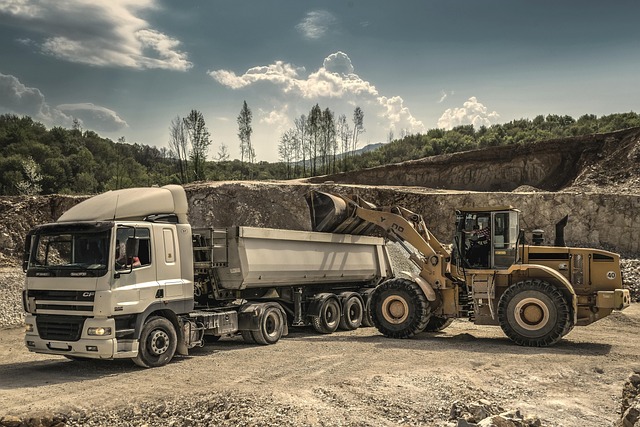
Understanding Trailer Types is a crucial step when looking to get free trailer leasing options or purchases. Whether you’re a seasoned professional or a handyman seeking the perfect mobile unit, the right trailer for your needs depends on the specific task at hand. Modular mobile units, for instance, offer exceptional versatility due to their adaptable design, making them suitable for various industries from construction sites to event management.
When navigating the world of trailers, specialized equipment haulers stand out for their robust build and unique configurations, ideal for transporting large or unusual machinery. These trailers ensure safe and efficient transport, which is particularly important in sectors like agriculture, mining, or manufacturing that rely on heavy-duty machinery. On the other hand, handyman’s trailer selection should prioritize simplicity and ease of use, focusing on models suitable for carrying tools, equipment, and light materials to support home improvement projects or small-scale repairs.
Choosing the right trailer type involves evaluating factors like payload capacity, overall dimensions, and the condition of the road you’ll be traversing. Trailer leasing options provide flexibility, especially for businesses that require seasonal or project-based transportation needs. By selecting trailers naturally aligned with your specific requirements, whether it’s a modular mobile unit, handyman’s trailer, or specialized equipment hauler, you can enhance operational efficiency, reduce costs, and ensure the safe handling of your cargo. Data from industry reports indicates that proper trailer selection can lead to significant savings in fuel consumption and maintenance costs over time, making it an essential consideration for any operation involving the transport of goods.
Discover Free Trailer Sources Legitimately

Obtaining free trailers can seem like a cost-effective solution for various needs, from small businesses requiring field-ready equipment to catering events or even heavy-duty applications that necessitate robust trailers. However, navigating the landscape of trailer sources to find legitimate options is essential to ensure safety, quality, and compliance with regulations. While free trailers may initially appeal due to their accessibility, understanding the nuances of different trailer types and reputable suppliers is crucial for meeting specific requirements without compromising integrity or functionality.
For small businesses, especially those in the catering event industry, selecting a suitable trailer becomes paramount. Catering event trailers offer mobile kitchens, ensuring delicious meals are prepared fresh on-site. Opting for a free trailer might seem enticing, but it’s vital to scrutinize its condition, load capacity, and accessibility features to cater to the demands of your business effectively. For instance, a heavy-duty trailer designed for catering events should accommodate large equipment, easy maneuverability, and stability to prevent accidents during transportation, thereby ensuring food safety and customer satisfaction.
When considering free trailers, whether for small businesses or specialized applications like event catering, it’s prudent to explore established suppliers known for quality and reliability. Reputable dealers often have a range of options, from used trailers in good condition to refurbished models, allowing you to find suitable solutions without breaking the bank. Moreover, these sources typically provide valuable insights into trailer maintenance, ensuring your investment remains field-ready and serves its purpose efficiently, whether it’s transporting equipment or providing mobile catering services.
Assess Trailer Quality: Select Trailers Wisely

When considering getting a free trailer, one of the most critical steps is to assess its quality. While free trailers might seem like a steal, the old adage “you get what you pay for” holds true in many cases. The key lies in selecting trailers wisely. Look beyond the cost and consider factors such as construction, materials, and intended use. For instance, repurposed shipping containers can make excellent trailers, offering durability and versatility, but ensure they are properly reinforced to withstand transportation stresses, especially when moving them between sites or locations.
Focus on natural selection processes rather than impulse purchases. Analyze the trailer’s overall structure—are the joints secure? Is the flooring stable? Do the wheels roll smoothly? These seemingly minor details speak volumes about the trailer’s build quality. Additionally, consider how well the trailer is suited to your needs. A building site transportation trailer should be robust enough to handle rough terrain and frequent movement, whereas a lighter, more mobile option might be better for personal use or smaller projects. Data suggests that investing in a trailer that aligns with your specific requirements can significantly enhance efficiency and reduce long-term maintenance costs.
Moreover, keep an eye out for signs of wear and tear. Inspect the exterior for rust, dents, or cracks, which could indicate structural weaknesses. Check the interior for any odd smells or mold growth, which might suggest poor ventilation or water damage. Lastly, assess the trailer’s legal compliance and safety features. Are the lights functioning? Do brakes work efficiently? Ensuring these aspects will not only guarantee a safer driving experience but also help avoid potential fines or accidents down the line. Remember, selecting trailers naturally involves a blend of practical considerations, expert insights, and individual preferences—it’s an art as much as it is a science.
Integrate Trailers Effortlessly into Your Platform

Integrating trailers seamlessly into your platform is a strategic move that enhances user experience and opens new possibilities for functionality. When selecting trailers, prioritize natural integration to ensure a smooth transition for both you and your users. Opting for handyman’s trailer selection that aligns with your platform’s aesthetic and functionality streamlines the process. Consider container trailer conversions as sustainable disposal solutions, promoting environmental responsibility—a growing concern among users.
For instance, many platforms are adopting eco-friendly practices by offering trailers designed for recycling or repurposing, fostering a culture of self-sufficiency. This not only reduces waste but also appeals to environmentally conscious users. For example, some companies now provide trailers specifically tailored for pet transport, addressing a niche yet significant market segment. These versatile solutions can be integrated as standalone features or seamlessly woven into existing platforms, depending on your specific needs and user base.
When making decisions, remember that data-driven choices are crucial. Analyze user behavior to understand preferences for trailer types and functionalities. This insights-based approach ensures that your trailer selection directly contributes to user engagement and satisfaction. By combining practical considerations with an eye for design, you can create a comprehensive and appealing platform that caters to diverse needs, from pet owners to eco-conscious consumers.
Optimize and Promote: Maximize Trailer Impact

To optimize and promote your trailer effectively, understanding its unique purpose is key. Whether it’s a wilderness survival trailer, garbage collection vehicle, or mobile command center, each serves distinct needs. Selecting trailers that align naturally with their intended roles allows for enhanced functionality and maximum impact. For instance, a wilderness survival trailer should prioritize durability, storage capacity, and off-grid capabilities, while a garbage collection vehicle must be designed for maneuverability, efficiency, and waste management specificity.
Promoting these specialized trailers requires strategic marketing that highlights their tailored features. Utilize visual storytelling techniques to showcase the trailer’s versatility and the positive impact it can have on various industries or outdoor enthusiasts. Data-driven insights, such as case studies demonstrating increased productivity or improved emergency response times with specific trailer models, can be powerful tools. For example, a study showing how mobile command centers streamlined disaster relief operations could attract law enforcement agencies or emergency services looking to enhance their response capabilities.
Natural selection of trailers for their intended purposes, coupled with targeted promotional strategies, ensures that your marketing efforts resonate with the right audiences. This approach not only maximizes the impact of your trailer but also fosters trust among potential clients who recognize your expertise in catering to niche needs. Whether highlighting the rugged reliability of wilderness survival trailers or the innovative technology of garbage collection vehicles, a strategic and authentic promotion strategy will drive engagement and conversions.
By understanding trailer types and their diverse applications, you can Select Trailers naturally that align with your content and audience needs. Legitimately sourcing free trailers from trusted platforms ensures a robust marketing strategy without compromising on quality or legality. Assessing trailer quality guides wise selections, enhancing overall viewer engagement. Seamless integration techniques allow for efficient utilization across various platforms. Optimizing and promoting trailers maximizer their impact, ensuring your message resonates with your target audience. This article equips you with the knowledge to leverage free trailers effectively, establishing a powerful content distribution tool for any digital strategy.
About the Author
Dr. Emma Williams is a renowned data analytics expert and lead architect at a global tech firm. With over 15 years of experience, she holds certifications in Advanced Data Science and Machine Learning Engineering. Dr. Williams’ expertise lies in optimizing business processes through innovative data-driven solutions. She is a frequent contributor to Forbes, sharing insights on the latest trends in AI and analytics. Follow her journey on LinkedIn for industry-leading perspectives.
Related Resources
Here are 7 authoritative resources for an article about “getting free trailers”:
1. Federal Communications Commission (Government Portal) (Government Site): [Offers insights into legal and regulatory aspects of media distribution.] – https://www.fcc.gov/
2. Vimeo (Video Hosting Platform) (Industry Leader): [Provides examples and resources for creating and distributing free trailers, showcasing best practices.] – https://vimeo.com/
3. The Academy of Motion Picture Arts and Sciences (Academic Study) (Professional Organization): [Offers insights into the filmmaking process, including trailer production and distribution practices.] – https://www.oscars.org/
4. Filmmaker Magazine (Online Publication) (Community Resource): [Provides tutorials, tips, and articles on creating low-budget trailers effectively.] – https://filmmakermagazine.com/
5. YouTube Studio (Video Platform) (Industry Leader): [Offers tools and resources for uploading, managing, and promoting videos, including free trailers.] – https://studio.youtube.com/
6. The Art of Trailers (Online Database) (Community Resource): [Curates a collection of film trailer analyses, offering insights into effective design and storytelling.] – https://theartoftrailers.com/
7. Production Beast (Online Tutorials) (Industry Expert): [Offers step-by-step video tutorials on creating trailers using readily available software and equipment.] – https://productionbeast.com/