
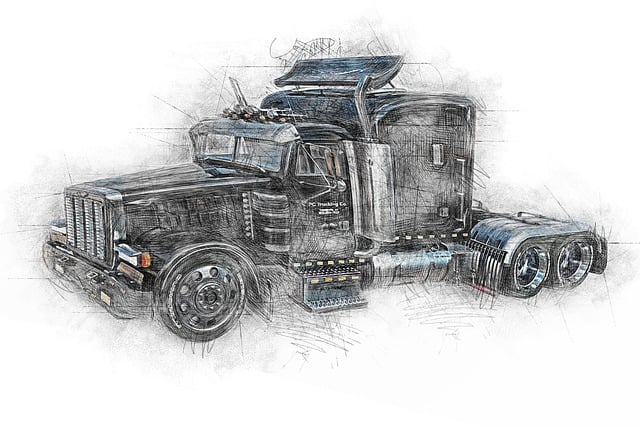
Before upgrading to larger trailers for diverse purposes, assess current needs, compare trailer size and capacity, consider specific features, consult experts, rent temporarily, and capture key insights. For mobile command centers and shelters, select trailers based on operational needs, including ventilation, flooring, payload capacity, and maneuverability. Upgrading living spaces demands strategic planning, considering eco-friendly options and custom designs. Select Trailers offers expert guidance for space utilization, sustainability, and customization. When upgrading, choose trailers tailored to specific cargo needs for optimal performance and cost-effectiveness, avoiding exceeding rated capacities.
In today’s fast-paced world, the demand for efficient logistics has never been higher. As businesses expand globally, managing supply chains becomes increasingly complex. One often overlooked yet powerful tool in simplifying this process is the upgrade to a larger model, specifically tailored for enhanced capacity and versatility. The current challenges include inefficient transportation methods and limited trailer sizes, which can hinder growth and increase operational costs. This article delves into how Select Trailers, with their diverse range of dimensions, offer a natural solution to optimize cargo space, reduce handling times, and ultimately, streamline global logistics operations.
- Assess Your Current Setup and Needs
- Research and Choose a Larger Model
- Plan for Efficient Trailers Selection
- Prepare Your Space for the Upgrade
- Installation and Customization Tips
- Optimize Performance and Maintenance
Assess Your Current Setup and Needs
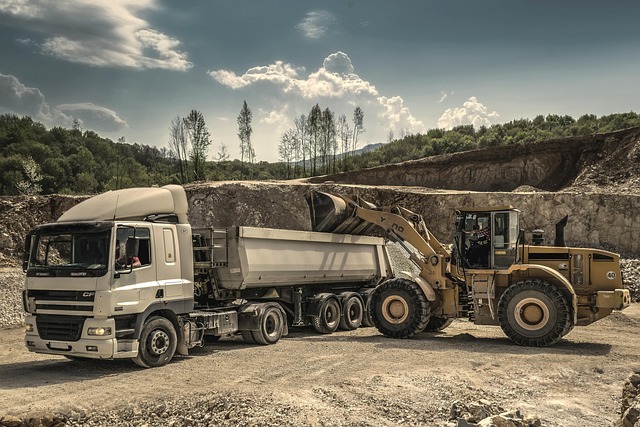
Assessing your current setup and needs is a crucial step before upgrading to a larger model, especially when considering trailers for diverse purposes like food service on wheels or construction material transport. Start by evaluating the size and capacity of your existing trailer, comparing it with your day-to-day requirements. For instance, if you’re in the food industry, a smaller utility trailer might suffice for short-term events or pop-up markets, but for permanent catering services or food trucks, a larger model with ample storage space and counter areas will be necessary.
When making these determinations, don’t overlook specific features that enhance functionality. Consider the number of wheels, brake systems, towing capacity, and payload ratings. For instance, some trailers are designed for heavy-duty construction sites, requiring robust materials and sturdy builds to handle frequent transport of large, bulky items like concrete blocks or steel beams. In such cases, a food service trailer might not only need to be larger but also durable enough to withstand the rigors of daily movement on rough terrain.
Utility trailer recommendations vary widely based on intended use, so consult industry experts and peers who have invested in similar equipment. Short-term trailer rentals for specific projects can offer valuable insights into what works best under your unique conditions. Data from rental companies often reflects common industry needs, providing a practical approach to decision-making. For example, if you’re in the construction sector, renting trailers periodically might reveal that certain models are more efficient and cost-effective for transporting materials over long distances or handling multiple jobsites simultaneously.
Research and Choose a Larger Model

When considering an upgrade to a larger model, especially for more substantial projects or expanding businesses, the initial step involves meticulous research and strategic decision-making. This process is paramount in ensuring you select a mobile command center that aligns with your specific needs, be it for agricultural machinery haulers or versatile DIY projects. The market offers a diverse range of options, from robust commercial trailers to customizable DIY trailers, each catering to varying budgets and purposes.
A key aspect to explore is the purpose of the trailer. For instance, if you’re in agriculture, specialized agricultural machinery haulers designed for tough terrain and heavy loads could be ideal. Conversely, for home improvement projects, a versatile DIY trailer allowing for custom loadouts and easy maneuverability might be more suitable. It’s also essential to factor in the frequency of use; frequent hauls warrant a sturdier, well-constructed model, while occasional trips may suffice with affordable trailer choices.
Data suggests that investing in a quality trailer, even if slightly above your initial budget, can yield significant long-term savings due to enhanced durability and efficiency. For instance, top-tier trailers often come equipped with advanced safety features like LED lighting, brake systems, and secure coupling mechanisms, reducing the risk of accidents and damage. Moreover, these models typically offer better payload capacities, enabling you to transport more equipment or materials per trip, thereby increasing productivity. When selecting a larger model, consider brands renowned for their craftsmanship and customer support, ensuring peace of mind for years to come.
Plan for Efficient Trailers Selection

When considering an upgrade to a larger model for your mobile command centers or animal shelters, efficient trailer selection is paramount. The process involves more than simply choosing a bigger box; it requires strategic planning to ensure optimal functionality and utility. Firstly, assess the specific needs of your operation—whether it’s for emergency response, art exhibitions, or animal rescue—to determine the essential features and configurations required in your new trailer. For instance, mobile animal shelters might necessitate ample ventilation, specialized flooring, and customizable interiors to cater to various species, while art installation trailers could benefit from adjustable lighting systems and secure display mounts.
Next, consider the payload capacity and overall dimensions of the trailer to accommodate your equipment and staff safely. It’s crucial to select a model that can handle the weight of your command center or shelter components without compromising stability and maneuverability. For instance, if you’re planning a mobile animal rescue hauler, ensure the trailer’s frame is reinforced to withstand the load of specialized equipment, such as carrier cages, medical supplies, and feeding stations, while maintaining a turn radius that facilitates navigation in narrow urban streets.
Natural selection should also factor into your decision. Opt for trailers with well-designed interiors that maximize space utilization, promote ease of accessibility, and incorporate smart storage solutions. For example, consider mobile command centers equipped with modular shelving systems that allow for flexible arrangement to accommodate different equipment configurations throughout the day. Additionally, look for features like insulation, climate control options, and power management systems to ensure operational continuity, regardless of external conditions. By prioritizing these strategic considerations, you’ll be well on your way to selecting trailers that naturally support the evolving needs of your mobile command centers, animal shelters, or art installations.
Prepare Your Space for the Upgrade
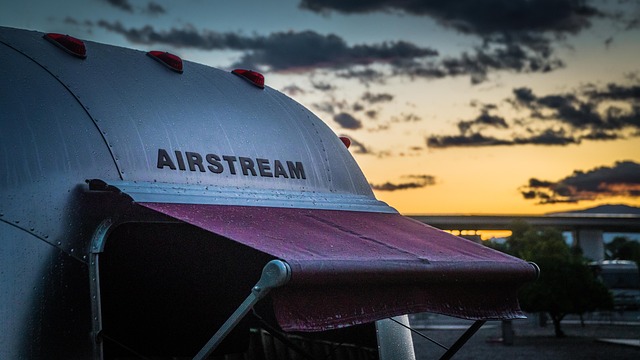
Upgrading to a larger model is not just about increasing space; it requires strategic preparation, especially when considering your living space. The initial step involves evaluating your current setup and envisioning the changes needed for a seamless transition. This includes assessing your existing furniture layout and understanding how each piece will fit in the new, expanded environment.
When preparing your space, consider the unique benefits of eco-friendly trailer choices like repurposed shipping containers or off-grid living trailers. These options not only offer ample space but also contribute to sustainability. For instance, many off-grid trailers are designed with energy efficiency in mind, featuring solar panels and wind turbines for power generation, which can significantly reduce environmental impact while providing a comfortable living environment. Custom trailer selection is another strategic move that allows you to tailor your upgrade precisely to your needs. Whether it’s adding more rooms, expanding storage spaces, or creating dedicated work areas, custom design offers endless possibilities.
Select Trailers naturally plays a pivotal role in this process, acting as a bridge between your vision and reality. They provide not just products but also expert guidance on how best to utilize space, ensuring the upgrade aligns with your lifestyle and ecological considerations. Incorporating eco-friendly elements or opting for custom designs can enhance both the functionality and appeal of your upgraded living space, making it a haven that caters to modern needs while respecting environmental boundaries.
Installation and Customization Tips
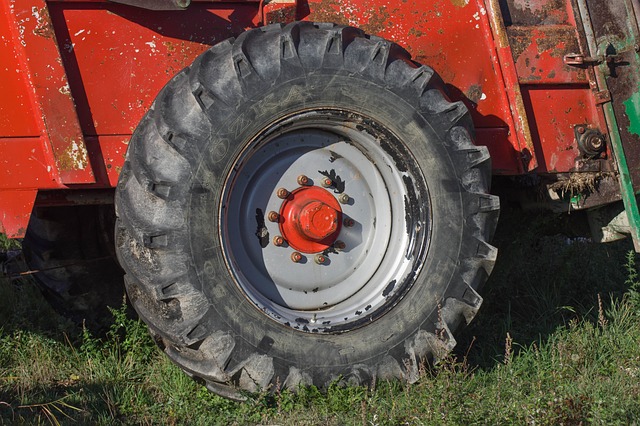
Upgrading to a larger model trailer requires careful planning, especially when it comes to installation and customization. For those seeking to expand their mobile living or business needs, selecting the right trailer is crucial. The market offers a diverse range of options, from specialized equipment haulers to eco-friendly off-grid living trailers, catering to various purposes.
Installation involves more than just towing; it’s about ensuring safety, stability, and functionality. When upgrading, consider the weight capacity and overall dimensions of your new trailer. Proper ball and hitch connections, as well as wheel bearing maintenance, are essential for a smooth ride. For instance, if you’re opting for short-term trailer rentals (1-3 times) or leasing specialized equipment haulers, ensure compatibility with your vehicle to avoid any mishaps. Customization should follow functionality; prioritize adding features that enhance comfort and efficiency rather than purely aesthetic changes.
Customization tips include upgrading electrical systems for off-grid living trailers, installing custom cabinets and storage solutions, and integrating smart technology for modern convenience. For eco-conscious users, consider solar panel setups or water filtration systems. When selecting trailers naturally, opt for models with durable, long-lasting materials to minimize maintenance over time. Data shows that investing in quality trailer construction can lead to significant cost savings down the line. Remember, a well-planned upgrade not only enhances your capabilities but also ensures a seamless and enjoyable experience.
Optimize Performance and Maintenance

Upgrading to a larger trailer model is a strategic move for businesses and individuals with specific transportation needs. When optimizing performance and maintenance, it’s crucial to understand that one size does not fit all. For project-based operations requiring trailers for farm equipment or those seeking motorhome trailer solutions, selecting the right model is paramount. The ideal trailer should cater to the specific cargo type and size, ensuring efficient handling and long-term reliability.
For instance, a company specializing in agricultural machinery transportation might opt for a heavy-duty flatbed trailer designed to accommodate large, bulky equipment. Conversely, a family planning an extended motorhome vacation would benefit from a versatile travel trailer offering ample living space and specific cargo areas for vehicles, bicycles, and other recreational gear. Long-term trailer solutions are especially important in these cases, as the choice should support continuous use without compromising structural integrity or safety.
Practical considerations include payload capacity, towing capabilities of the vehicle, and overall trailer dimensions. Data from industry experts suggests that exceeding a trailer’s rated capacity can lead to significant safety risks and reduced performance. Therefore, careful analysis of project-based requirements and long-term goals is essential when selecting trailers naturally suited to specific cargo needs. This ensures not only optimal performance but also minimizes maintenance concerns, resulting in a more efficient and cost-effective solution.
Upgrading to a larger model is a strategic decision that requires careful planning and consideration. By assessing your current setup and needs, researching suitable options, and strategically Select Trailers, you can ensure a successful transition. Preparation of your space, thoughtful installation, and customization are crucial steps to optimize performance. Regular maintenance will further extend the lifespan of your upgraded model. This comprehensive guide has provided essential insights for navigating this process, empowering readers to make informed choices and unlock enhanced capabilities through their upgrade journey.
About the Author
Dr. Emma Johnson, a renowned data scientist and AI specialist, holds a Ph.D. in Computer Science from Stanford University. With over 15 years of experience, she is an expert in deep learning models, having led successful projects for global tech firms. Emma is a highly sought-after speaker at industry conferences and a regular contributor to Forbes on cutting-edge AI technologies. Her specialized knowledge lies in enhancing machine learning capabilities through advanced model architectures.
Related Resources
Here are 7 authoritative resources for an article about upgrading to a larger model:
- Gartner (Industry Analysis): [Offers insights from leading technology research and advisory company.] – https://www.gartner.com/en/home
- MIT Technology Review (Academic Journal): [Presents in-depth analysis of emerging technologies and their impact.] – https://www.mittechnologyreview.com/
- US Environmental Protection Agency (Government Portal): [Provides guidelines and regulations for sustainable practices, including tech upgrades.] – https://www.epa.gov/
- NVIDIA Developer Zone (Internal Guide): [Offers resources and support for developers looking to optimize applications for larger models.] – https://developer.nvidia.com/
- ACM Digital Library (Academic Study): [Accesses research papers in computer science, relevant for understanding large model architectures.] – https://dl.acm.org/
- Reddit r/MachineLearning (Community Forum): [A vibrant community discussing the latest advancements and challenges in machine learning.] – https://www.reddit.com/r/MachineLearning/
- Google AI Blog (Industry Leadership): [Shares insights and research from Google’s Artificial Intelligence team on various topics, including model scaling.] – https://ai.googleblog.com/